



Utility companies operate in environments that demand strict attention to safety, environmental protection, and regulatory compliance. From pole-mounted transformers to large distribution equipment, the potential for oil leaks, chemical spills, or hazardous material releases is significant. Using the correct containment bags is essential not only for operational safety but also for adherence to federal and state regulations. This guide explores how to select the right containment bag, when these products are required, and how they help utilities meet environmental compliance standards.

How Do You Know Which Containment Bag Is Right for Pole-Mounted Equipment?
Pole-mounted equipment, including transformers, voltage regulators, capacitor banks, and other distribution devices, presents unique containment challenges. These units are often elevated, exposed to environmental stressors such as rain, wind, and UV radiation, and located in areas that can be difficult to access. Because of these factors, selecting the right containment bag requires a detailed understanding of both the equipment and the regulatory requirements that govern hazardous material management. Choosing an appropriate bag is critical for Transformer spill containment, operational efficiency, and compliance with federal and state standards.
The first step in selecting a containment bag is a thorough assessment of the equipment’s dimensions and configuration. Pole-mounted transformers and other devices vary widely in size and design, meaning that a one-size-fits-all approach is rarely effective. The containment bag must fit snugly around the equipment to capture any leaks, drips, or minor spills.
Utility companies often rely on Transformer EPA Containment bags specifically designed for pole-mounted units. These bags are engineered with reinforced bottoms, high-strength sidewalls, and secure fastening systems to ensure a proper seal around the equipment. Some designs include drawstrings, hook-and-loop closures, or straps to maintain a tight fit, even in high-wind environments. Correct sizing is essential: an undersized bag risks overflow or leakage, while an oversized bag may be difficult to deploy and secure.
Knowing the type of fluid contained within the equipment is another critical factor in bag selection. Pole-mounted transformers and other devices may contain transformer oils, dielectric fluids, or other hazardous liquids. Each fluid has different chemical properties, requiring materials that are resistant to corrosion, degradation, and leakage.
For equipment that contains or previously contained polychlorinated biphenyls (PCBs), federal regulations require TSCA containment solutions. PCBs are highly toxic, persistent in the environment, and strictly regulated under the Toxic Substances Control Act. Containment bags used in these scenarios must demonstrate chemical resistance to PCB oils and ensure that spills or leaks are fully contained. Even for non-PCB fluids, selecting a containment bag with proper chemical resistance is crucial to prevent the fluid from interacting with the bag material over time, which could compromise containment integrity.
In addition to chemical compatibility, understanding the volume of fluids is essential. Bags must be rated to hold the full capacity of potential leaks from the equipment, plus a safety margin. Many utility spill containment products are sized to accommodate typical transformer oil volumes for pole-mounted equipment, ensuring that any accidental release is captured before it can reach soil or stormwater.
Pole-mounted equipment often requires rapid deployment of containment solutions, especially during maintenance, inspections, or emergency situations. Lightweight, foldable containment bags provide a practical solution, allowing crews to carry them easily to remote or elevated locations.
Many Transformer EPA Containment systems are designed with portability in mind, enabling utility personnel to deploy them quickly without heavy lifting or specialized tools. Foldable designs can be stored compactly on service vehicles, and reinforced materials allow the bags to maintain structural integrity even when deployed on uneven surfaces or rough terrain. Fast, efficient deployment not only improves operational efficiency but also reduces the risk of spills and environmental exposure during field operations.
Regulatory compliance is a non-negotiable aspect of containment bag selection. For stationary pole-mounted transformers, EPA containment solutions are generally required to prevent oil or other hazardous fluids from reaching soil, groundwater, or surface water. Using properly certified containment bags helps utilities meet federal and state environmental regulations while minimizing liability.
Compliance considerations extend beyond product selection. Containment bags must also be compatible with inspection protocols, maintenance schedules, and emergency response plans. Regular inspections of deployed bags, proper maintenance of reusable units, and documentation of all containment measures are critical to maintaining regulatory compliance and avoiding fines or operational shutdowns.
By carefully assessing equipment size, fluid type, portability needs, and compliance requirements, utility companies can select the right containment bag for pole-mounted equipment. Properly chosen Transformer EPA Containment bags help prevent hazardous spills, reduce environmental impact, and ensure regulatory adherence while supporting efficient field operations.
When Is a Containment Bag Required for Transporting Transformers?
Transporting transformers, oil-filled equipment, and other hazardous materials carries inherent risks. Even small leaks during transit can result in environmental contamination, safety hazards, or regulatory violations. To mitigate these risks, federal and international regulations dictate when and how containment bags must be used to protect both personnel and the environment. Utility companies must carefully evaluate these requirements and select the appropriate containment solutions to ensure compliance and safety.

DOT Containment Requirements:
The Department of Transportation (DOT) governs the safe transport of hazardous materials under 49 CFR Parts 171–180. These regulations require that all hazardous material transport utilize approved containment solutions capable of preventing leaks, withstanding impacts, and resisting punctures during transit.
DOT containment solutions for transformers include:
- DOT hazmat containment bags: Lightweight, reinforced bags designed for temporary or secondary containment during transport.
- Transformer DOT Containment systems: Engineered solutions for moving large oil-filled transformers safely between sites.
- UN-compliant containment bags: Certified for international shipments, these bags meet rigorous global standards for leakproof integrity, chemical compatibility, and structural resilience.
Key scenarios where containment bags are required include:
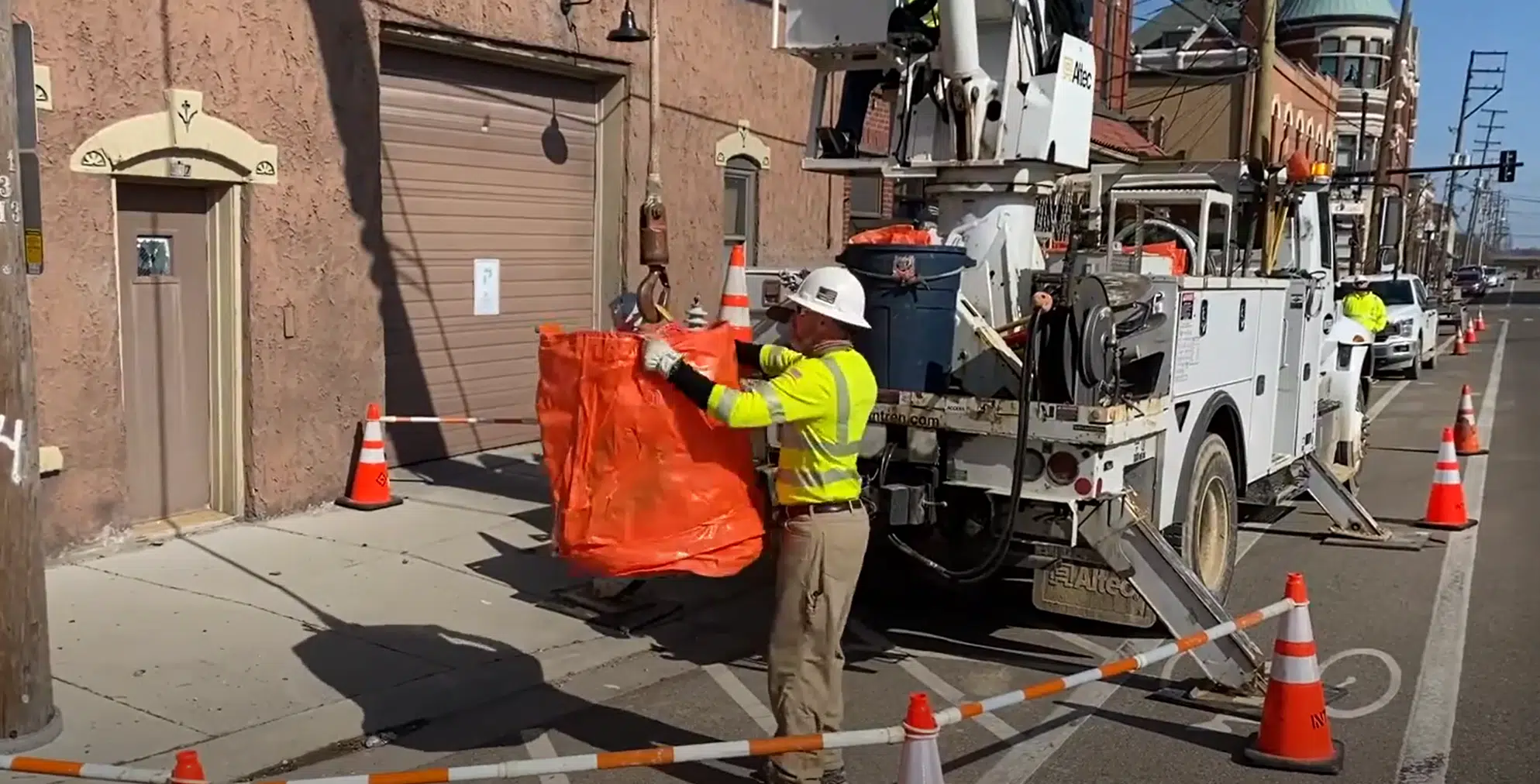
- Moving oil-filled transformers between substations, repair facilities, or storage yards: Transporting equipment over public roads or via rail exposes it to potential impacts, vibration, and environmental stress. Containment bags act as a secondary layer of protection in case the primary container fails, reducing the risk of spills.
- Transporting PCBs or other regulated hazardous fluids under TSCA containment solutions: Transformers containing or previously containing polychlorinated biphenyls are subject to the Toxic Substances Control Act (TSCA). Proper containment during transport ensures compliance with federal law and prevents environmental contamination.
- Shipping equipment across state lines or internationally: When moving transformers beyond local jurisdictions, using UN-compliant containment bags ensures compliance with global standards for hazardous material transport, avoiding fines, delays, or legal liability.
Selecting the Right Bag for Transport
Choosing the correct containment bag requires careful consideration of several factors:
- Transformer size and configuration: Large, heavy transformers require bags with reinforced seams and high tensile strength to contain potential leaks effectively.
- Fluid type and volume: Bags must be chemically compatible with transformer oils or dielectric fluids, and rated to contain the full volume of potential leaks. For equipment containing PCBs, only TSCA containment solutions should be used.
- Method of transport: Whether moving by truck, rail, or air, the bag must withstand vibration, stacking pressures, and potential impacts. Many Transformer DOT Containment bags are equipped with chemical-resistant liners, reinforced stitching, and secure closures to prevent spills even under challenging conditions.
Proper sizing and durability are essential to maintain containment integrity throughout the transport lifecycle. A bag that is too small may overflow, while one that is oversized may shift during transit, increasing the risk of failure.


Benefits of Using Containment Bags in Transport
Utilizing certified hazardous material transport containment products provides multiple advantages:
- Secondary protection: Containment bags serve as an additional barrier, minimizing the risk of leaks reaching soil, stormwater, or other sensitive environments.
- Regulatory compliance: DOT-approved and UN-compliant containment bags ensure shipments meet federal, state, and international transport standards, reducing liability for utilities.
- Operational efficiency: Rapid deployment and removal of containment bags simplify the logistics of transformer transport while maintaining safety protocols.
- Environmental stewardship: By preventing spills and leaks, containment bags demonstrate a utility’s commitment to protecting the environment and meeting modern sustainability expectations.
- Liability reduction: In the event of an incident, proper containment minimizes the potential for fines, cleanup costs, and reputational damage.
Containment bags also integrate seamlessly with broader containment strategies. For example, a transformer may be shipped using a UN-compliant containment bag and, upon arrival at a substation, placed into a Transformer EPA Containment system. This dual approach ensures complete coverage from transport to installation, aligning with both DOT and EPA regulatory requirements.
In short, containment bags are required whenever transformers or hazardous fluids are at risk during transport. Whether moving oil-filled equipment between substations, handling PCB-contaminated transformers, or shipping internationally, selecting the right DOT containment solutions, Transformer DOT Containment bags, or UN-compliant containment bags is critical for safety, regulatory compliance, and operational efficiency. Properly chosen containment bags provide peace of mind, protect the environment, and reduce liability, making them an essential component of modern utility operations.
How Do Containment Bags Help Utilities Meet Environmental Regulations?
Containment bags are far more than a simple safety measure—they are a fundamental tool for maintaining regulatory compliance and protecting the environment. For utility companies that manage transformers, pole-mounted equipment, and other oil-filled devices, the risk of leaks or spills is ever-present. Properly designed utility spill containment products, including Transformer EPA Containment bags, TSCA containment solutions, and DOT containment solutions, play a critical role in preventing hazardous fluids from impacting soil, groundwater, and surface waters.
The Environmental Protection Agency (EPA) sets stringent standards for secondary containment systems. One key requirement is that these systems must be capable of holding at least 110% of the largest container’s volume on-site. This ensures that any accidental release of transformer oil, dielectric fluids, or other hazardous substances is captured before it can contaminate the environment.
Transformer EPA Containment bags, berms, spill pallets, and liners are engineered to meet these standards. They are constructed with durable, chemical-resistant materials that can withstand exposure to weather, UV radiation, and mechanical stress. Regular inspection and maintenance of these systems are essential, as even minor cracks, punctures, or degradation could compromise containment and result in regulatory violations. By integrating these products into routine maintenance schedules, utility companies can maintain continuous compliance with EPA regulations while minimizing environmental risk.
For transformers and equipment that contain or have previously contained polychlorinated biphenyls (PCBs), TSCA containment solutions are mandatory. PCBs are highly toxic, persistent in the environment, and subject to strict federal oversight under the Toxic Substances Control Act (TSCA).
Containment bags used in these applications must provide chemical resistance to PCB oils, prevent leaks over long-term exposure, and integrate seamlessly with cleanup procedures. Proper deployment of TSCA-compliant bags ensures that utility companies meet all federal handling requirements, reducing the risk of costly fines, environmental contamination, or worker exposure. In addition, TSCA containment solutions provide documentation and traceability, allowing utilities to demonstrate full regulatory compliance during audits or inspections.
Containment bags also support regulatory compliance during transportation. DOT containment solutions and UN-compliant containment bags ensure that transformers and other hazardous equipment remain secure while being shipped between facilities. These products are designed to withstand impact, vibration, and stacking pressures, preventing leaks or spills during transport.
By combining Transformer DOT Containment for transit with Transformer EPA Containment at stationary sites, utility companies achieve comprehensive coverage across the lifecycle of their equipment. This layered approach guarantees that regulatory standards are met from the warehouse to the substation, reducing liability and protecting both personnel and the environment.
Beyond regulatory compliance, containment bags offer several operational advantages.
- Reduced Cleanup Costs: Capturing spills at the source prevents hazardous fluids from reaching soil, stormwater, or drainage systems, minimizing expensive remediation and environmental cleanup.
- Minimized Downtime: Portable and easy-to-deploy containment products allow crews to respond quickly to leaks or maintenance needs, keeping critical infrastructure online.
- Improved Worker Safety: Containment bags reduce the risk of worker exposure to hazardous materials, providing a safer work environment during maintenance, inspection, or transport operations.
- Flexibility and Portability: Many utility spill containment products are designed to be lightweight, foldable, and easy to carry, making them ideal for pole-mounted transformers, remote substations, or field operations.
Integrating containment bags into standard operating procedures promotes a culture of safety, environmental responsibility, and regulatory accountability. By using certified Transformer EPA Containment, TSCA containment solutions, and DOT containment solutions, utilities can proactively manage spills, ensure compliance, and demonstrate a strong commitment to sustainability.
Proper containment is a cornerstone of modern utility operations. Whether used at stationary sites, during transport, or in emergency response, containment bags help utilities prevent hazardous spills, reduce environmental impact, and comply with EPA, TSCA, and DOT regulations. Leveraging UN-compliant containment bags, Transformer EPA Containment, and utility spill containment products ensures that safety, compliance, and operational efficiency are all maintained at the highest standards.
Choosing the Right Containment Bag Best Practices
When selecting a containment bag, consider:
- Purpose: Determine whether the bag is for stationary use, pole-mounted equipment, or transport.
- Size and capacity: Ensure the bag accommodates the largest potential spill volume.
- Chemical compatibility: Confirm the material is resistant to oils, PCBs, and other fluids.
- Regulatory compliance: Verify that the bag meets DOT, EPA, UN, and TSCA requirements.
- Ease of use: Choose lightweight, portable bags that can be quickly deployed and maintained.
By following these guidelines, utility companies can ensure their containment solutions are both effective and compliant, safeguarding people, property, and the environment.
Selecting the right containment bag is essential for utility companies managing transformers and other hazardous equipment. From pole-mounted units to transport applications, Transformer DOT Containment and Transformer EPA Containment solutions provide the protection and compliance needed to meet regulatory standards and operational goals.
For a deeper understanding of best practices and regulatory requirements, explore A Complete Guide To Regulatory Spill Containment Solutions.
To safeguard your operations and ensure compliance, call 800-758-8079.
Do You Have Questions?
For inquiries about our products, order status, or any other information related to ABG, send us a message, and we will respond soon.
Sales & Customer Care
Product Questions