




Customer satisfaction is our priority. Whether you have questions about our sustainable containment solutions, need help with an order, or require assistance finding the right product for your needs, we’re here to help.
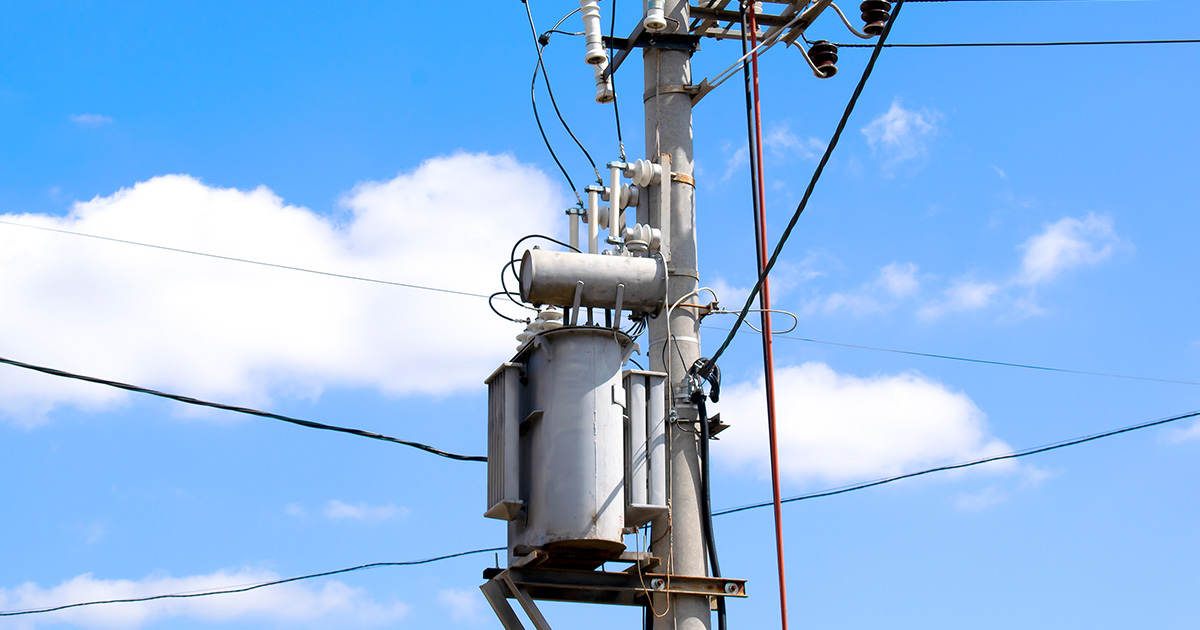
Transformer oil is a critical component in electrical equipment, providing insulation and cooling for transformers in utilities, industrial facilities, and substations. However, when transformer oil leaks, it can pose significant environmental, health, and operational risks. Proper hazardous material handling is essential to prevent contamination, maintain regulatory compliance, and protect personnel.
ABGBAG specializes in transformer containment solutions, including portable containment systems, containment bags, and spill control equipment designed for both stationary transformers and transformer oil containment transport. This guide will address when transformer oil is classified as hazardous material, how to handle and dispose of transformer oil spills, and the safety gear required when cleaning transformer leaks. It also includes guidance on how to contain and transport leaking transformers safely, providing a complete approach to managing transformer oil spills.
Transformer oil is essential for the operation of electrical equipment, providing insulation and cooling for transformers in substations, industrial facilities, and utility networks. However, when transformer oil leaks or is mishandled, it can pose significant environmental, health, and regulatory risks. In certain cases, transformer oil is classified as hazardous material, requiring specialized handling, containment, and transport procedures. Understanding the circumstances that trigger this classification is crucial for implementing effective transformer spill containment, hazardous material transformer transport, and transformer oil containment transport strategies.
Several key factors determine whether transformer oil is considered hazardous material. These factors include chemical composition, the presence of PCBs, spill volume, environmental sensitivity, and transport considerations.
Polychlorinated biphenyls (PCBs) are synthetic chemicals historically used in transformer oil for their stability and insulating properties. PCBs are highly toxic, environmentally persistent, and regulated under the Toxic Substances Control Act (TSCA).
For transformers with PCB-contaminated oil, deploying a certified transformer leak containment system is essential to prevent uncontrolled release during maintenance, storage, or transport.
The quantity of transformer oil involved in a leak or spill also determines its hazard classification.
Volume-based risk assessment ensures that operators select the appropriate containment system, whether it’s a portable containment bag, transport liner, or rigid-frame containment system.
Even transformer oil that is PCB-free may be classified as hazardous material if released into sensitive environments.
By understanding the environmental risks, teams can deploy layered containment strategies, such as combining transformer spill containment systems with absorbents, berms, and liners to fully capture oil.
A transformer that is leaking during movement is considered a hazardous material for the duration of transit. Proper hazardous material transformer transport protocols must be followed to prevent spills.
Transporting leaking transformers without the appropriate containment equipment and procedures exposes operators to environmental risk, regulatory penalties, and operational delays.
Determining when transformer oil is classified as hazardous material is critical for implementing effective transformer leak containment systems, portable transformer containment, and safe transport practices. Factors such as PCB content, spill volume, environmental sensitivity, and transport scenarios all influence the level of precaution required.
Proper classification and proactive containment strategies are the foundation of safe, compliant, and efficient transformer operations, ensuring that both routine maintenance and emergency responses are handled effectively.
Proper handling and disposal of transformer oil spills are critical for protecting the environment, maintaining regulatory compliance, and ensuring the safety of personnel. Leaks from transformers can release hazardous materials that pose risks to soil, water, and human health. By following a structured approach that includes containment, recovery, cleanup, and disposal, organizations can manage spills effectively and minimize potential damage.
The first step in managing a transformer oil spill is to respond quickly to prevent the oil from spreading.
Once the spill is contained, the next step is to safely recover and clean up the oil.
Proper disposal is a critical component of transformer oil spill management.
Handling and disposing of transformer oil spills is a multi-step process that requires careful planning, effective equipment, and trained personnel. From immediate containment using portable transformer containment solutions to careful recovery, cleanup, and compliant disposal, every step plays a critical role in reducing environmental impact and protecting workers.
By implementing structured spill response procedures, utilizing high-quality containment systems, and following regulatory requirements, organizations can manage transformer oil spills efficiently and safely. Ensuring proper containment, recovery, and disposal protects the environment, supports regulatory compliance, and maintains operational continuity.
Personnel who handle transformer oil or respond to transformer leaks face multiple hazards, including chemical exposure, slips and falls, electrical risks, and environmental contamination. Ensuring the safety of workers during transformer spill containment and hazardous material transformer transport requires the correct use of personal protective equipment (PPE), proper work practices, and training in emergency response procedures. Proper safety gear not only protects employees from immediate hazards but also ensures regulatory compliance and effective spill management.
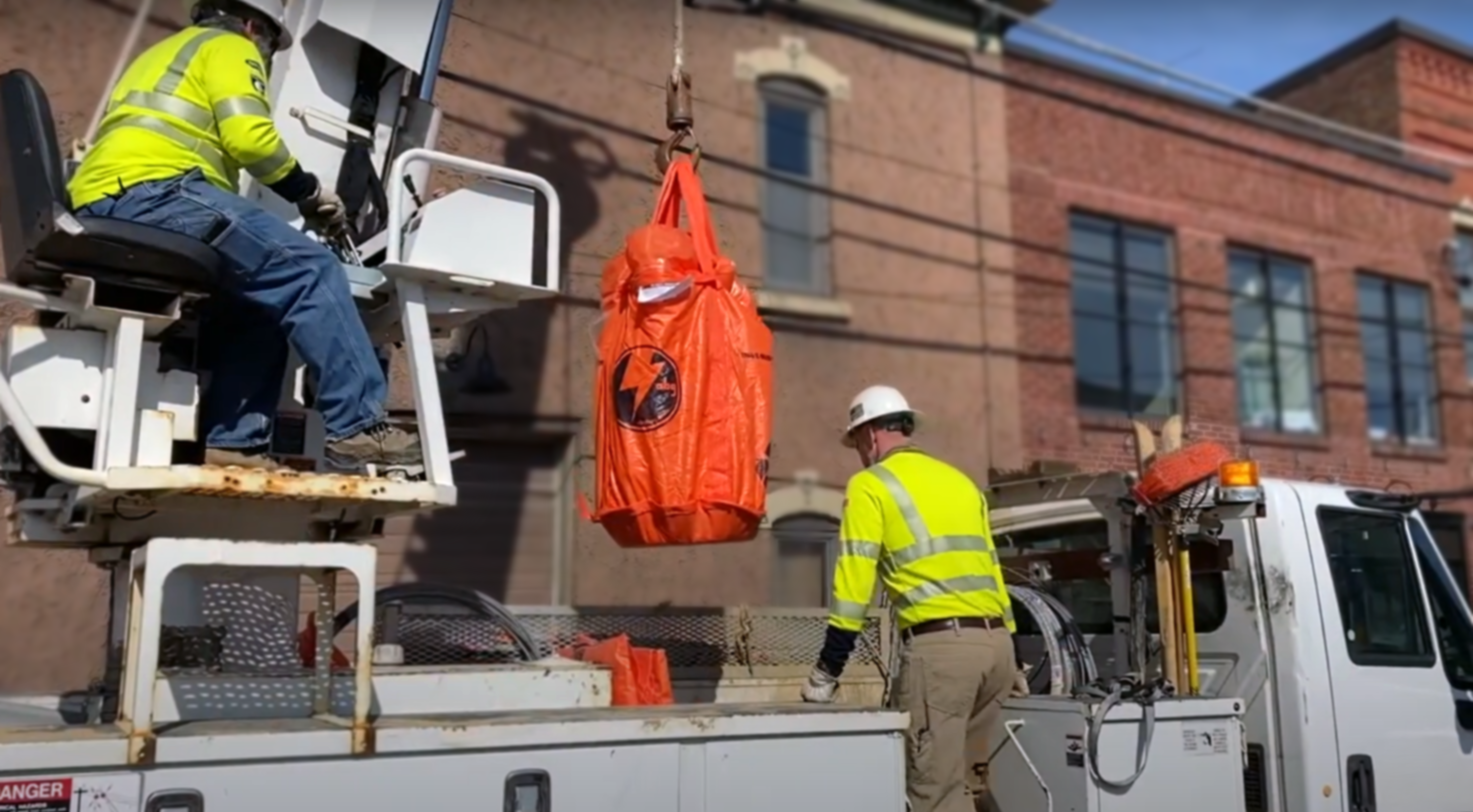

In addition to using the correct PPE, personnel must follow safe work practices to minimize risk during transformer oil spill response:
Using the appropriate PPE and adhering to safe work practices offers multiple benefits:
Proper safety gear is essential when handling transformer oil and responding to leaks. Gloves, protective clothing, eye and respiratory protection, and appropriate footwear provide critical protection against chemical exposure and workplace hazards. When combined with safe work practices, containment systems, and trained personnel, the correct PPE ensures that transformer spill containment operations are conducted safely, efficiently, and in compliance with environmental and hazardous material regulations.

Portable containment solutions play a critical role in both handling and transporting leaking transformers. Systems such as containment bags, portable berms, and liners ensure that transformer oil remains contained during emergency response, routine maintenance, and hazardous material transformer transport. These solutions allow operators to move leaking transformers safely, reduce the risk of secondary spills, and maintain compliance with environmental and safety regulations.
For detailed guidance on safe handling and transport, explore how to contain and transport leaking transformers safely. ABGBAG provides both equipment and training to help teams:
By integrating these best practices with transformer leak containment systems, organizations can reduce environmental risks, protect personnel, and maintain operational efficiency.
Hazardous material handling for transformer oil spills is a critical responsibility for utilities, industrial operators, and contractors. Understanding when transformer oil is classified as hazardous material, knowing how to safely contain, handle, and dispose of spills, and using the appropriate PPE are essential to reducing risk and maintaining compliance.
Portable containment solutions, including bags, liners, and berms, provide reliable transformer spill containment, support transformer oil containment transport, and enable safe handling of leaking transformers. Combining these systems with proper procedures and trained personnel ensures that transformer oil spills are managed efficiently, safely, and responsibly.
ABGBAG offers field-tested containment solutions for transformer oil spill containment, emergency response, and hazardous material transformer transport. Protect your team, equipment, and environment with reliable products designed for real-world transformer leak scenarios. Call 800-758-8079 today or contact ABGBAG to secure professional, portable transformer containment solutions for your operations.
For inquiries about our products, order status, or any other information related to ABG Bag Inc., send us a message, and we will respond soon.
Sales & Customer Care
Product Questions
Adding {{itemName}} to cart
Added {{itemName}} to cart