



Utility and power pole transformers are silent workhorses of the electrical grid. Whether delivering electricity to your home or supporting infrastructure in neighborhoods and rural regions, these devices are critical for reliable, safe, and efficient power delivery. As demand for consistent and high-quality electrical service grows, so does the importance of understanding how these transformers function, the different types available, and how to handle them responsibly throughout their lifecycle — from installation to transport.
At ABG Bag, we specialize in providing high-quality solutions designed to facilitate utility transformer handling, protection, and transport. Whether you’re procuring a new utility transformer or managing logistics for a power transformer on pole, this comprehensive guide will help you understand the essentials of transformer technology and best practices for their safe movement and handling.
What Is a Utility Transformer?
A utility transformer is a device that changes electrical voltages to meet the needs of where the power is being used — whether it’s stepping down electricity from high-voltage lines for residential use or stepping up power for transmission across long distances. Installed on telephone poles or within ground-mounted stations, these transformers serve as critical junction points in the electrical grid.
Typically, a power pole transformer reduces the voltage from distribution lines to the standard levels required by homes and businesses. Without these devices, our modern electrical conveniences — from lighting and refrigeration to appliances and HVAC systems — would not function safely or reliably.
Why Understanding Transformers Matters
Transformers are more than pieces of equipment — they are vital infrastructure. Whether you are an electrical contractor, utility planner, or facility manager, understanding how these devices work and how to move them safely isn’t just good practice — it’s essential for long-term reliability and safety.
This guide covers:
- How utility pole transformers work
- Types of residential and utility transformers
- Safe handling and transport of pole-mounted transformers
Each section is designed to give you actionable insights you can use on the job, in planning, or when selecting solutions and equipment.
How Utility Pole Transformers Work
Every utility transformer, regardless of size or placement, operates on the same fundamental principle of electromagnetic induction. When electrical current flows through a transformer’s windings, it generates a magnetic field within the transformer’s core. This magnetic field transfers energy between windings without direct electrical contact, allowing voltage levels to be safely and efficiently changed. This process is what enables electricity generated at power plants to travel long distances and then be converted into usable energy for homes, businesses, and public infrastructure.
An electric transformer on pole plays a critical role in the distribution portion of the power grid. Electricity is transmitted at high voltages to minimize energy loss over long distances. Once that power reaches populated areas, transformers mounted on utility or telephone poles adjust the voltage to levels appropriate for end users. Without this conversion, electrical systems would be unsafe and incompatible with standard household and commercial equipment.
In residential and light commercial settings, the most common type of transformer is a step-down unit. A residential electric transformer reduces high-voltage electricity from overhead distribution lines into lower voltages suitable for daily use. This is why a power pole transformer is typically located near homes, apartments, and small businesses.
Primary distribution lines may carry electricity at voltages ranging from approximately 7,200 to 34,500 volts. The transformer lowers this energy to 240/120 volts, which is the standard electrical supply for most household circuits. This voltage reduction ensures that appliances, lighting, and electronic devices operate safely and efficiently. The step-down process also helps protect wiring systems within buildings from overload and damage.
The efficiency and reliability of a power transformer on pole depend largely on its internal components and overall construction. While designs may vary slightly based on application, every transformer includes three essential elements:
- Core: The core is typically made from laminated steel sheets. These layers reduce energy losses caused by heat and provide a controlled path for magnetic flux to travel efficiently between windings.
- Primary Winding: This winding receives incoming high-voltage electricity from the utility distribution line. The number of turns in the primary winding plays a key role in determining the voltage transformation ratio.
- Secondary Winding: The secondary winding delivers the adjusted voltage to the distribution network, supplying power to homes or facilities downstream.
High-quality materials and precise engineering reduce electrical losses, minimize noise, and extend the lifespan of the transformer. Well-designed units also operate more quietly and require less maintenance over time.
Most residential areas rely on single-phase transformers, which are sufficient for typical household power demands. These units are compact, efficient, and well suited for neighborhoods and rural installations. However, commercial, industrial, and high-demand environments often require three-phase systems.
A three-phase electric utility transformer delivers power more evenly and efficiently, supporting larger electrical loads and reducing voltage fluctuations. In some cases, multiple pole-mounted transformers are configured together to form a three-phase system. This approach provides flexibility for utilities while maintaining reliable power delivery across different service areas.
Understanding how utility pole transformers work highlights their importance in maintaining safe, consistent electricity. From voltage regulation to efficient energy transfer, these devices are essential to modern life and dependable electrical infrastructure.
Types of Residential and Utility Transformers
Transformer technology has evolved to meet a range of electrical system demands. The right type depends on voltage requirements, installation environment, and load characteristics.
Below are common categories of electric transformer on pole and related transformers used in residential and utility systems.
Pole-Mounted Transformers
These are perhaps the most familiar type for homeowners and the general public. Mounted on wooden or steel poles, these devices are designed to step down high-voltage power from overhead lines for neighborhood distribution.
Advantages:
- Elevated installation maximizes clearance and reduces footprint
- Easier access for maintenance without disrupting ground-level traffic
- Ideal for residential and light commercial circuits
Pole-mounted transformers are engineered for outdoor conditions and often come with weather-resistant enclosures. Some are equipped with fused cutouts to protect against overloads.
Pad-Mounted Transformers
Although often ground-mounted rather than pole-mounted, padmount transformers serve similar functions. They are typically enclosed in locked steel cabinets and installed on concrete pads, making them suitable for suburban and urban underground distribution systems.
Applications include:
- Residential subdivisions with underground power lines
- Commercial campuses and multi-tenant facilities
- Areas where aerial equipment is impractical or unsightly
While not technically power pole transformers, they are part of the broader family of electric utility transformer solutions.
Substation Transformers and Power Transformers
At the heart of transmission and bulk power distribution are larger power transformers that handle significantly higher voltages and load capacities. These systems feed distribution lines that, in turn, supply smaller transformers like those mounted on poles or pads.
Key considerations:
- High capacity for transmission grid applications
- Engineered for high efficiency and minimal losses
- Often equipped with advanced cooling systems
These heavy-duty transformers are not typically encountered in residential settings but are critical in utility planning and infrastructure.
Auto transformers
Autotransformers differ from traditional transformers in that they use a single winding to perform both primary and secondary functions. They can be more compact and cost-effective in specific applications, although they do not provide the same electrical isolation as standard transformers.
Common uses include:
- Voltage regulation
- Industrial equipment
- Specialized utility applications
Distribution Transformers
This broader category includes any transformer used to distribute electrical power from utilities to end users. This includes both pole and pad variants and is central to delivering electricity to residential and commercial customers.
Key Considerations When Selecting Transformers
Choosing the right transformer for a project involves several factors:
- Voltage Requirements: Match the transformer’s rating with system voltage levels.
- Load Capacity: Choose equipment with sufficient capacity to serve peak demands.
- Installation Environment: Weatherproofing, access, and local codes influence the optimal design.
- Efficiency Standards: Modern transformers are designed to minimize losses and improve sustainability.
Investing in the right transformer pays off with more reliable service, lower maintenance costs, and longer equipment life.
Safe Handling and Transport of Pole-Mounted Transformers
Pole-mounted transformers are large, heavy, and often filled with insulating oil. These characteristics make safe handling and transport crucial to protecting your workforce and valuable equipment. From procurement to installation, following best practices helps reduce risk.
At ABG Bag, we understand how essential proper utility transformer transport is for project success. Whether moving a new utility transformer to a job site or repositioning an existing telephone pole transformer, you need the right tools, planning, and safety protocols.
Before moving a transformer, consider:
- Weight Capacity of Equipment: Verify that trucks, trailers, and lifting gear are rated for the transformer’s weight.
- Secure Packaging and Protection: Ensure protective covers or bags are used to prevent damage during loading, transit, and unloading.
- Route Planning: Assess road conditions, clearance heights, and access points to ensure safe arrival at the destination.
- Environmental Compliance: Transformers often contain insulating oil. Make certain that any fluids are contained and that transport complies with local regulations for hazardous materials.
Proper planning mitigates delays, prevents equipment damage, and protects the environment.
Transformers lifted onto transport vehicles require precision and care. These units are not only heavy but can be unbalanced if improperly rigged. Key steps include:
- Using Certified Rigging Gear: Chains, slings, and hooks must be rated for the load.
- Center-of-Gravity Awareness: Ensure rigging points are placed correctly to avoid tipping.
- Clear Communication: All personnel involved in the lift should follow a clear signal system or communication protocol.
- Safe Distances: Non-essential personnel should maintain a safe distance during lifts and moves.
Inadequate lifting practices are a leading cause of workplace accidents. Investing in training and planning pays dividends through safer outcomes.
Once loaded, transformers must be secured to prevent shifting. Consider the following:
- Chock Wheels and Secure Straps: Use wheel chocks and industrial-grade straps that meet safety standards.
- Protect Vulnerable Components: Bushings, terminals, and accessories should be covered or padded.
- Regular Inspections: Check straps and load stability before departure and during stops.
- Weather Protection: Rain, snow, and dust can damage sensitive components. Use covers or crates when appropriate.
A well-secured load reduces the risk of damage and ensures your transformer arrives ready for installation.
When the transformer arrives at its destination, follow these steps:
- Survey the Site for Hazards: Look for overhead wires, uneven ground, or other obstacles.
- Use Qualified Operators: Only certified personnel should operate hoists and cranes.
- Maintain Clear Zones: Establish exclusion areas around the unloading site.
- Confirm Proper Grounding and Setup: Before energizing, transformers must be installed with appropriate grounding and mounting assemblies.
Every phase of installation plays a role in long-term performance and safety.
Tools and Solutions for Safe Transformer Handling
Safe transformer handling is essential across utility, construction, and electrical infrastructure operations. While training and planning are critical, having the right containment and handling equipment is what truly protects crews, schedules, and high-value assets. Transformers are heavy, sensitive, and costly, and moving them without proper containment increases the risk of damage, environmental exposure, and workplace injury. Purpose-built handling solutions help ensure each phase of transport, staging, and installation is completed safely and efficiently.
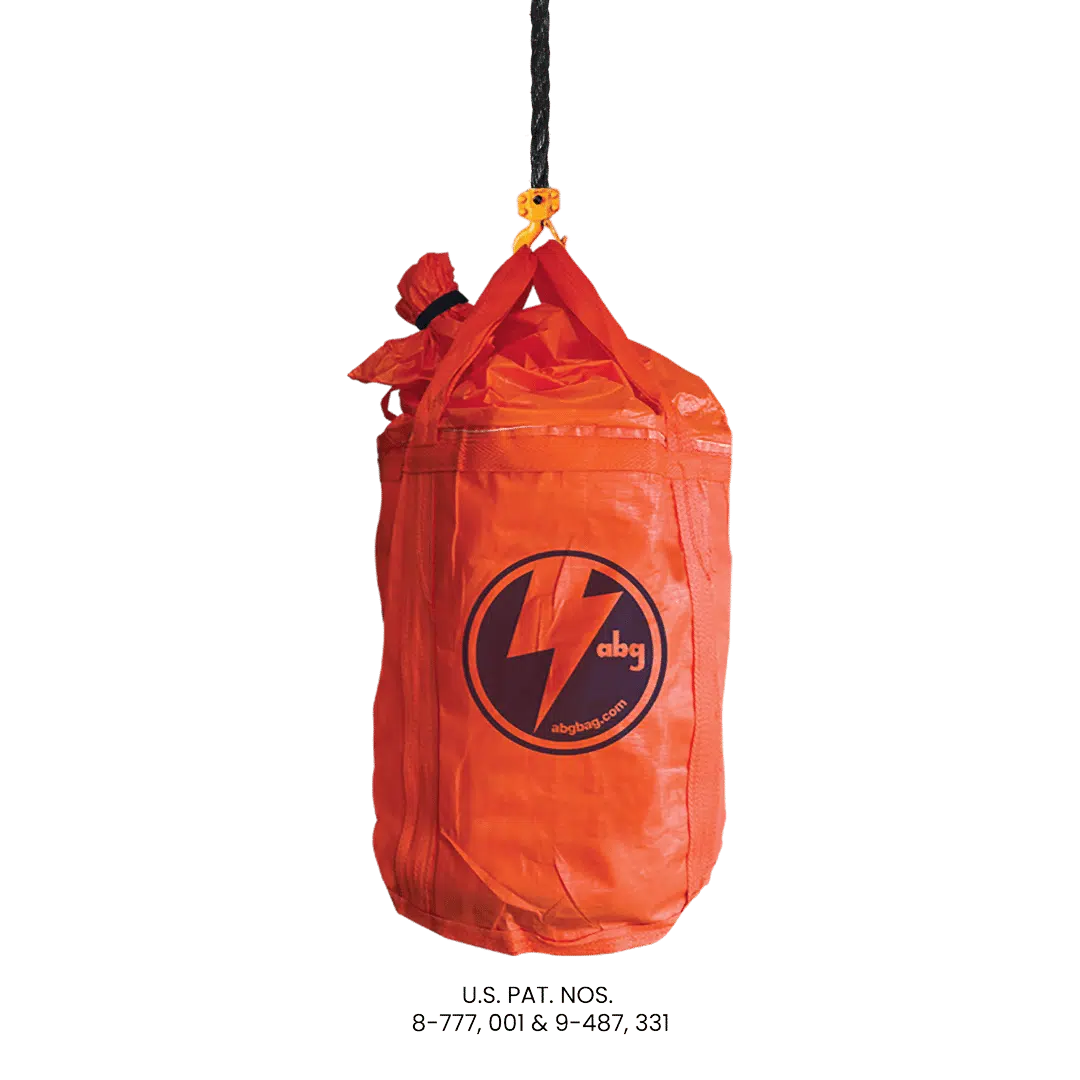
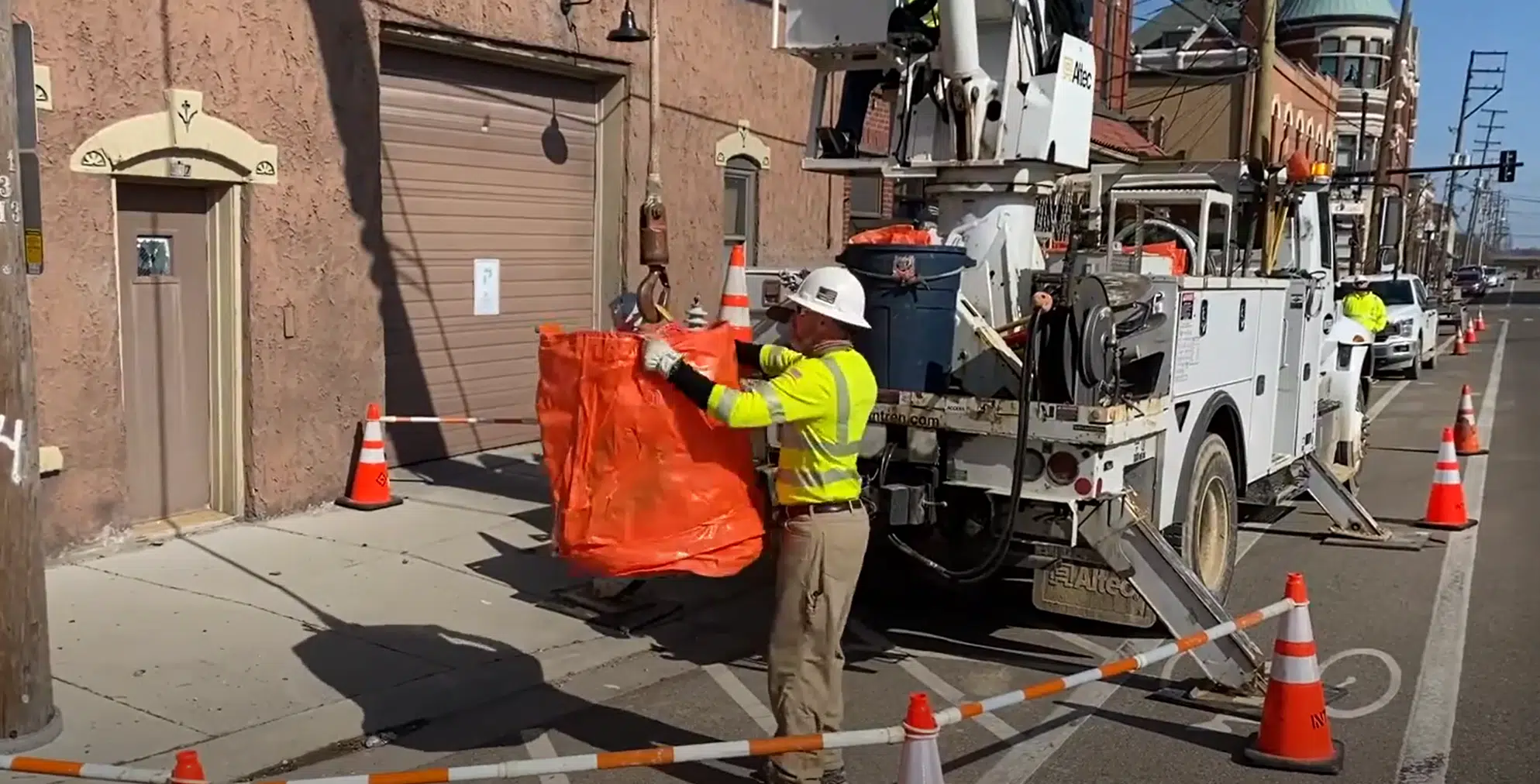
One of the biggest challenges in handling a power pole transformer is managing weight, balance, and stability. Transformers can be awkward to lift and maneuver, particularly in confined job sites or uneven terrain. Without proper containment, even minor shifting during lifting or transport can damage external components or internal systems. The BOB Transformer Containment Bag from ABG Bag is designed to address these challenges by stabilizing the load and providing full enclosure during movement.
Containment plays a critical role in protecting transformers throughout the handling process. During transport and staging, exposure to moisture, dust, oils, and debris can compromise transformer performance and longevity. The BOB Bag creates a protective barrier around the transformer, helping shield it from environmental elements while also reducing surface abrasion and impact damage. This level of protection is especially valuable during long-distance transport, extended storage, or when staging equipment on active job sites.
Another key advantage of the BOB Bag is improved handling efficiency. By fully enclosing the transformer, the bag helps keep the unit secure and balanced during lifting, loading, and unloading. This reduces the risk of shifting or rolling, allowing crews to work more confidently and with fewer adjustments. Whether moving a power pole transformer into position or staging a residential electric transformer for installation, the BOB Bag simplifies handling while enhancing safety.
ABG Bag designed the BOB Transformer Containment Bag with real-world utility demands in mind. Each bag is engineered using durable materials and reinforced construction to withstand repeated use in demanding environments. The BOB Bag is specifically built to support safe transformer handling by helping crews:
- Protect transformers during transport and on-site staging
- Improve load stability during lifting and placement
- Reduce exposure to moisture, debris, and surface damage
- Enhance overall job site safety
- Support repeated use without sacrificing performance
Safe handling is just as important for residential electric transformer projects as it is for larger utility installations. Smaller transformers still carry significant weight and risk, and improper handling can lead to damage, delays, or injuries. Using a containment solution like the BOB Bag allows crews to apply the same safety standards and handling precision across all transformer sizes.
Investing in proper containment and handling equipment also delivers long-term cost benefits. Fewer damaged transformers mean reduced replacement costs, less downtime, and smoother project execution. Improved safety practices help minimize injury risk, protecting both workers and project timelines.
Whether transporting a power pole transformer to a new installation site or staging a residential electric transformer for scheduled upgrades, the BOB Transformer Containment Bag provides the protection, stability, and confidence crews need. With the right containment solution in place, transformer handling becomes safer, more efficient, and more reliable from start to finish.

Real-World Applications
Understanding transformer technology and safe handling practices delivers measurable value across a wide range of industries. From residential neighborhoods to emergency response scenarios, the role of the utility transformer extends far beyond basic power delivery. Applying best practices in installation, transport, and protection helps reduce downtime, improves safety, and supports long-term reliability for electrical systems.
In residential neighborhoods across the country, an electric transformer on pole is a familiar yet essential component of daily life. These pole-mounted units reduce high-voltage electricity from distribution lines to levels safe for homes, apartment complexes, and small businesses. Reliable performance at this level is critical, as even brief outages can disrupt daily routines, impact home-based businesses, and affect essential services.
Proper installation and ongoing maintenance of a power pole transformer help minimize service interruptions and extend equipment life. Secure mounting, correct grounding, and weather-resistant protection all contribute to consistent power delivery. When transformers are handled and transported correctly prior to installation, the risk of internal damage is reduced, resulting in fewer failures after deployment. For residential communities, this translates into dependable electrical service and reduced maintenance disruptions over time.
Transformer planning plays a significant role in new construction and infrastructure renovation projects. Whether building a residential development, commercial facility, or mixed-use space, decisions about transformer placement directly influence electrical design, accessibility, and long-term performance.
Project planners must consider whether a power transformer on pole or a ground-mounted alternative best suits the site layout and power requirements. Pole-mounted installations may be ideal for areas with overhead distribution, while ground-mounted systems may be preferred for underground utility designs. In either case, early coordination ensures that transformers are positioned for safe access, future maintenance, and compliance with local regulations.
Safe transport and handling are equally important during construction phases. A new utility transformer often arrives on-site before final installation, requiring secure staging and protection from environmental exposure. Using appropriate transport and protective solutions reduces the risk of damage that could delay project timelines or lead to costly replacements.
Utility companies manage extensive inventories of transformers to support grid maintenance, upgrades, and emergency replacements. These fleets include a wide range of equipment, from compact residential units to larger distribution transformers. Efficient utility transformer transport is essential to keeping operations running smoothly.
Transformers must be safely moved from storage yards to job sites, staged for installation, or returned for refurbishment. Each movement presents potential risks, including load shifting, equipment damage, or safety hazards for crews. Well-defined logistics protocols, combined with proper lifting and securing equipment, reduce these risks and improve overall operational efficiency.
By investing in reliable handling and transport solutions, utilities can reduce downtime, improve crew safety, and extend the usable life of their transformer assets. This proactive approach supports consistent service delivery while lowering long-term operational costs.
In the aftermath of severe weather events, accidents, or natural disasters, restoring power quickly becomes a top priority. Storm damage can compromise poles, lines, and transformers, requiring rapid replacement of damaged equipment. In these situations, preparedness and efficiency are critical.
Teams trained in safe handling practices and equipped for secure transport can deploy replacement electric utility transformer units faster and with fewer complications. Properly protected transformers are less likely to suffer damage during transit, ensuring they are ready for immediate installation upon arrival. This readiness allows utilities to restore service sooner, minimizing disruptions for affected communities.
Disaster response scenarios also place heightened demands on safety. Crews often work under challenging conditions, making reliable handling solutions even more important. Secure transport systems help protect both personnel and equipment during urgent restoration efforts.
Why Partner with ABG Bag?
Selecting the right partner for transformer handling and protection solutions directly impacts project outcomes. Safety, efficiency, and reliability all depend on the quality of the tools and systems used to move and protect critical equipment.
At ABG Bag, we offer:
- Industry expertise in handling transformers and heavy electrical equipment
- Products designed to protect, secure, and facilitate transport
- A commitment to quality that aligns with utility and construction standards
Our solutions are built to support professionals working with utility transformer systems of all types, from telephone pole transformer installations in residential areas to large-scale utility infrastructure projects. We understand the demands of real-world applications and design our products to perform reliably in those environments.
When you work with ABG Bag, you gain more than a product provider. You gain a partner dedicated to helping your team move equipment safely, reduce risk, and complete projects with confidence.
Call Today for Reliable Transformer Containment
Understanding utility and power pole transformers is the first step in effective electrical infrastructure planning and execution. Knowing how these devices work, what types are available, and how to handle them safely during transport and installation empowers your team to work smarter and safer. Now that you’re equipped with essential insights into utility transformers — from working principles to real-world handling practices — it’s time to take action toward safer, more efficient operations.
Call 800-758-8079 today or contact ABGBAG by submitting an online form to secure professional, dependable transformer containment solutions and protect your team, equipment, and environment.
Do You Have Questions?
For inquiries about our products, order status, or any other information related to ABG Bag Inc., send us a message, and we will respond soon.
Sales & Customer Care
Product Questions