


How do you understand power transformers?

Power transformers are crucial components in electrical distribution networks, enabling electricity to be safely and efficiently delivered from generation sources to homes, businesses, and industrial facilities. Whether dealing with a residential electric transformer, polemount transformer, or larger electric utility transformer, understanding the fundamentals of power transformers helps utility professionals, contractors, and engineers ensure reliable operation, proper handling, and long service life.
The Role of Power Transformers
Power transformers step voltage up or down depending on the application. In transmission networks, electricity is often generated at relatively low voltages but must travel long distances at high voltage to minimize energy loss. Power transformers on pole or in substations adjust these voltage levels for safe and efficient distribution.
- Residential electric transformers receive medium-voltage electricity from distribution lines and reduce it to 120/240 volts for home use.
- Telephone pole transformers and polemount transformers perform similar step-down functions for light commercial and residential areas.
- Larger electric utility transformers handle high-voltage transmission lines, ensuring power reaches regional and municipal grids reliably.
Key Components of a Power Transformer
Understanding a transformer requires knowledge of its essential components:
- Core – Provides a path for magnetic flux and supports energy transfer between windings.
- Primary Winding – Receives incoming electricity from the utility distribution line.
- Secondary Winding – Delivers transformed voltage to the local distribution network.
- Insulation – Protects internal components and ensures safe operation under varying loads.
- Cooling Systems – Many transformers, especially larger new utility transformers, use oil or air cooling to manage heat during operation.
Each component plays a vital role in efficiency, reliability, and safety. Proper design and maintenance reduce energy loss, minimize noise, and extend the service life of the transformer.
Types of Power Transformers
Power transformers can vary in size, installation, and function:
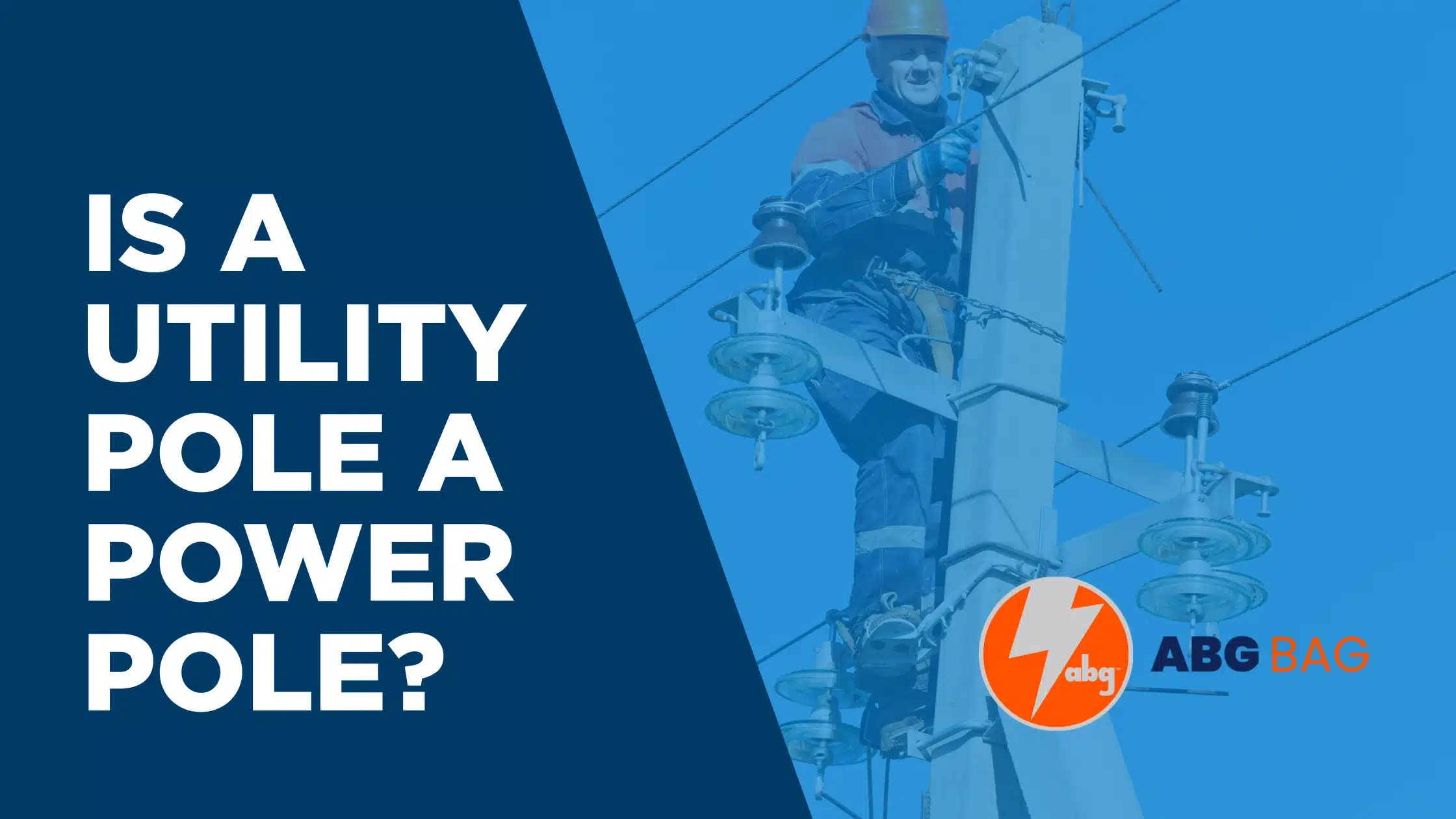
- Pole-mounted transformers – Installed on utility poles or telephone poles to step down voltage for residential or light commercial use.
- Pad-mounted transformers – Ground-level units serving neighborhoods with underground distribution systems.
- Substation transformers – Large-scale electric utility transformers handling high-voltage transmission for regional grids.
- New utility transformers – Engineered with advanced materials and improved efficiency, providing longer operational life and lower energy losses.
Understanding the type of transformer and its specific application is essential for safe handling, installation, and ongoing maintenance.
Load and Capacity Considerations
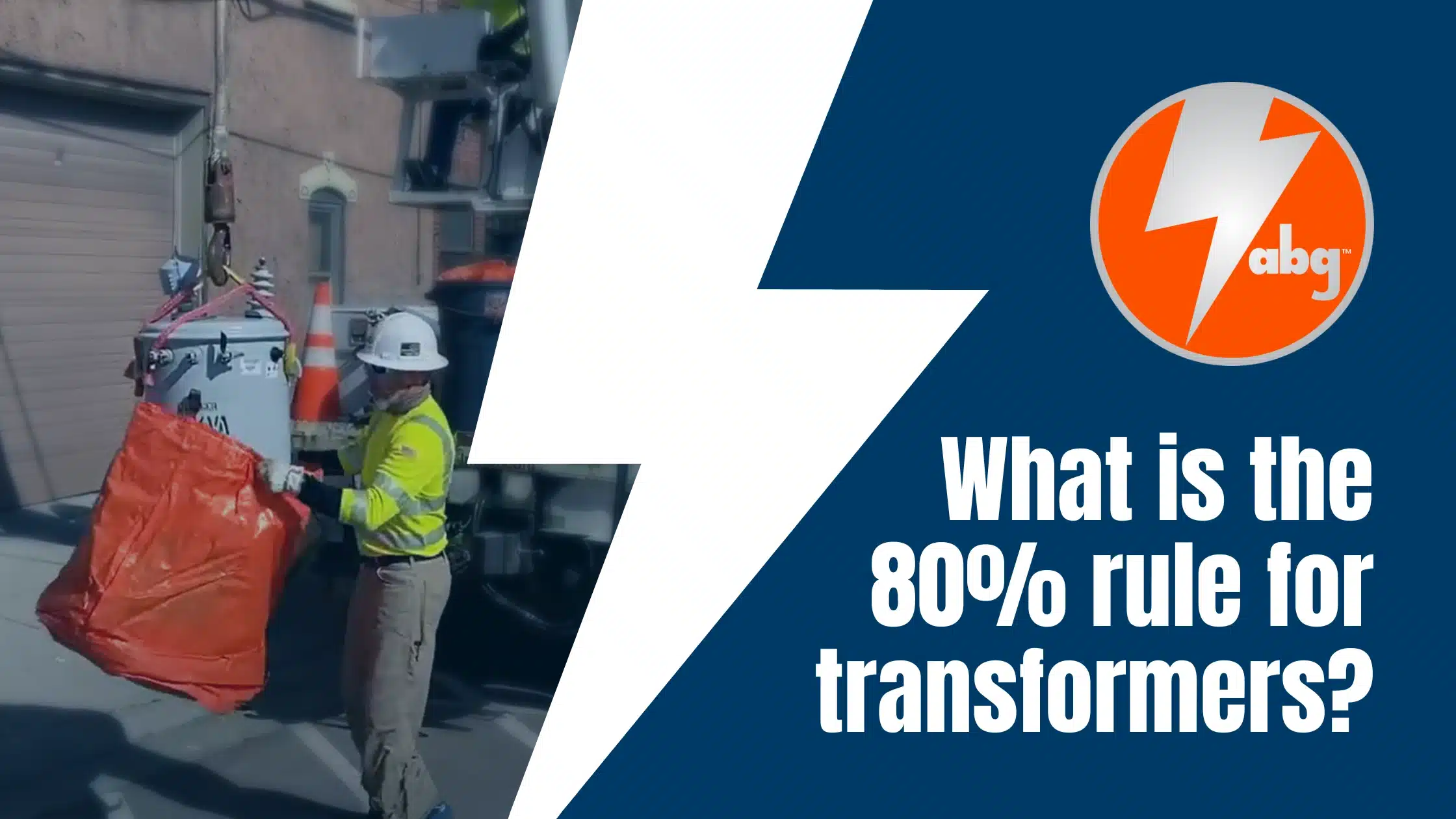
A key aspect of understanding power transformers is managing load. Overloading a transformer, whether a residential electric transformer or a power transformer on pole, can generate excessive heat, reduce efficiency, and shorten lifespan. Utilities often follow the 80% rule, keeping operational loads below 80% of rated capacity, to ensure safe and reliable service.
Proper monitoring and utility transformer transport procedures prevent mechanical damage, insulation degradation, and moisture ingress, all of which can compromise performance.
Safe Handling and Maintenance
Handling transformers safely requires attention to both transport and installation:
- Use lifting equipment rated for the weight of polemount transformers, power pole transformers, and other units.
- Secure transformers during utility transformer transport to prevent shifting or impact.
- Protect units from environmental exposure, such as rain, dust, or extreme temperatures.
- Inspect transformers before and after transport for visible damage.
Following these practices ensures that electric transformer on pole units continue operating reliably for decades, minimizing downtime and maintenance costs.
Benefits of Understanding Transformers
Understanding the fundamentals of power transformers enables better decision-making across several areas:
- Installation and Infrastructure Planning: Correct transformer selection and installation improve reliability and efficiency.
- Safety: Proper handling and grounding reduce risk to utility personnel and the public.
- Maintenance and Longevity: Awareness of load limits, cooling requirements, and environmental factors extends the service life of residential electric transformers, telephone pole transformers, and larger electric utility transformers.
- Operational Efficiency: Knowledge of transformer performance ensures minimal energy loss and optimal power delivery.
Utilities and contractors who fully understand transformer operation can optimize distribution networks while maintaining safety and compliance with electrical standards.
Understanding power transformers is fundamental to the safe and efficient operation of electrical distribution networks. From residential electric transformers and polemount transformers to power transformers on pole and new utility transformers, each type has specific roles, components, and operational requirements. Proper installation, monitoring, and utility transformer transport procedures ensure reliability and long service life.
For further information on transformer types, handling, and best practices, explore Understanding Utility and Power Pole Transformers.
Call 800-758-8079 or contact ABGBAG online.
Do You Have Questions?
For inquiries about our products, order status, or any other information related to ABG Bag Inc., send us a message, and we will respond soon.
Sales & Customer Care
Product Questions