


Is a utility pole a power pole?

When discussing electrical distribution systems, terms like “utility pole” and “power pole” are often used interchangeably. However, understanding the distinctions and their relationship to equipment such as power pole transformers, residential electric transformers, and electric utility transformers is crucial for utility workers, contractors, and engineers. Both types of poles serve as structural supports, but their specific applications, regulatory classifications, and installed equipment can differ.
For a deeper understanding of transformer types and their functions, visit Understanding Utility and Power Pole Transformers.
Defining Utility Poles
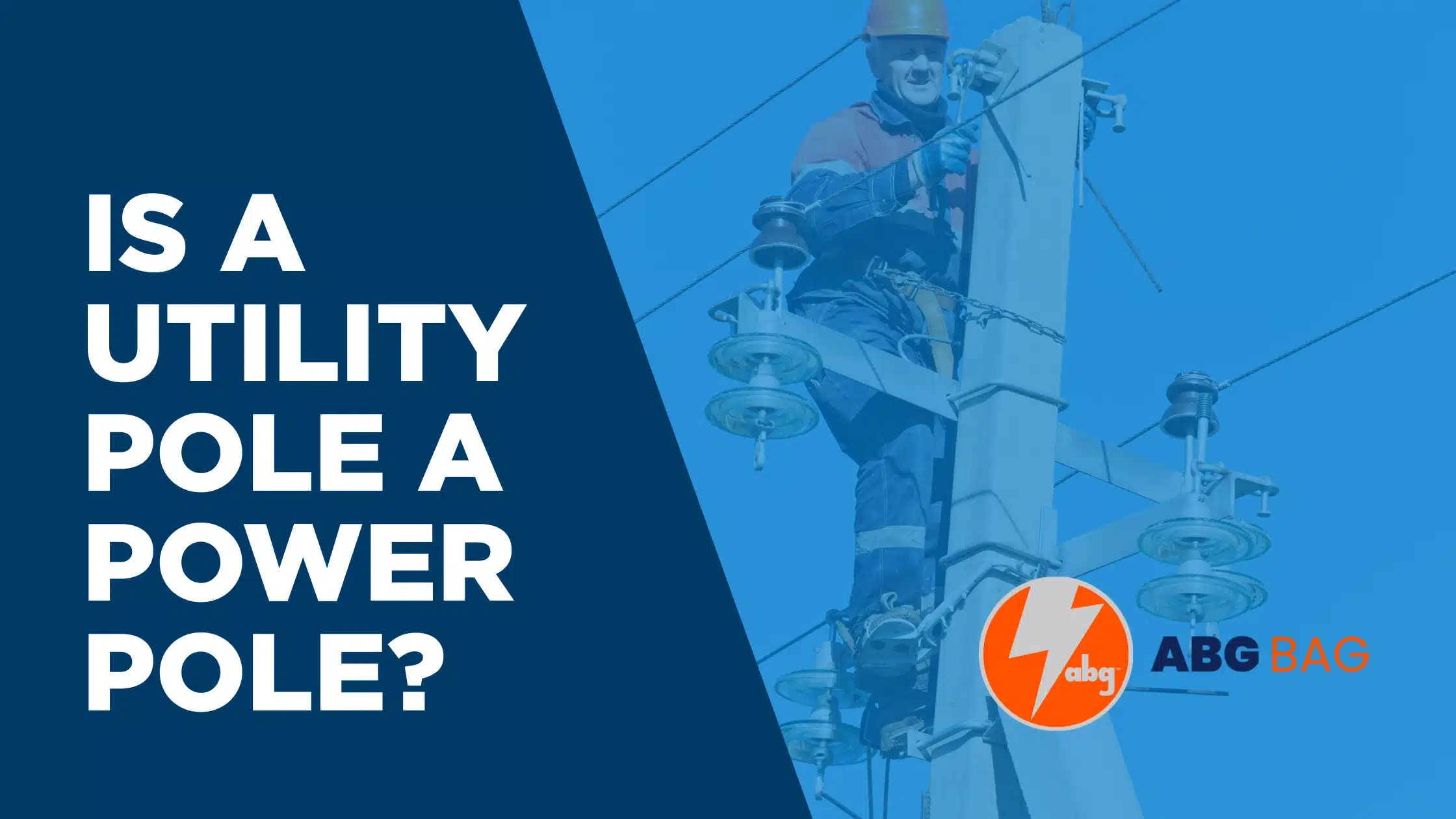
A utility pole is a vertical structure designed to support overhead public utilities, including electricity, telecommunications, and street lighting. These poles carry wiring and equipment that distribute electricity from substations to residential, commercial, and industrial customers.
In the context of electrical distribution, a utility pole often supports electric transformers on pole, such as polemount transformers, telephone pole transformers, or power pole transformers. These devices step down high-voltage electricity from distribution lines to the lower voltages required for safe residential and commercial use.
What Is a Power Pole?
A power pole is a specific type of utility pole primarily intended for electrical distribution. While all power poles are utility poles, not all utility poles are power poles. A power pole may carry multiple electrical components, including:
- Power pole transformers or electric transformers on pole
- Circuit breakers, fuses, and disconnect switches
- Primary and secondary distribution lines
Power poles are critical in delivering electricity to homes and businesses, supporting residential electric transformers and other distribution equipment.
How Transformers Relate to Poles
Transformers mounted on utility poles are essential for voltage conversion and reliable service. A residential electric transformer typically receives medium-voltage electricity from overhead lines and reduces it to 120/240 volts suitable for homes. Larger electric utility transformers may serve commercial areas or multiple homes.
Polemount transformers and power transformers on pole are engineered for continuous outdoor operation, requiring proper installation, grounding, and maintenance. The distinction between a utility pole and a power pole is relevant because installation standards, safety codes, and equipment types vary depending on the purpose of the pole.
Safety and Handling Considerations
Proper handling and transport of transformers are essential for ensuring safety and reliability. During utility transformer transport, transformers must be protected from moisture, impact, and vibration. Specialized lifting equipment and secure rigging help prevent damage to telephone pole transformers, polemount transformers, and other units.
Understanding the difference between a utility pole and a power pole informs safe installation practices. For instance, a power pole transformer installed on a pole carrying only telecommunications equipment may require different grounding or support systems than one installed on an electricity-focused power pole.
Benefits of Proper Pole Classification
Accurate classification of poles—distinguishing between general utility poles and power poles—supports several operational benefits:
- Efficient Equipment Installation: Correct pole classification ensures that transformers and other devices are installed on poles designed to bear their weight and meet safety standards.
- Reliable Electrical Service: By mounting electric transformer on pole units on power-rated poles, utilities minimize the risk of mechanical failure and service interruptions.
- Enhanced Safety: Proper classification helps prevent electrical hazards by ensuring that poles supporting high-voltage equipment are designed, grounded, and maintained according to regulatory standards.
Modern Considerations
Modern distribution systems often integrate multiple utilities on a single pole. A utility pole may carry electric lines, telephone pole transformers, fiber-optic cables, and other communication equipment. In these cases, a pole may be referred to as a utility pole in general, even if it supports a power pole transformer.
New utility transformers benefit from advanced materials, improved insulation, and enhanced durability, making them suitable for a wide range of pole types. Regardless of pole classification, proper handling, installation, and preventive maintenance are critical for transformer longevity and performance.
While the terms “utility pole” and “power pole” are sometimes used interchangeably, there are subtle but important differences. A power pole is a type of utility pole specifically intended for electrical distribution and often supports residential electric transformers, polemount transformers, and larger electric utility transformers. Proper classification ensures safe installation, effective transformer operation, and reliable electricity delivery.
Call 800-758-8079 or contact ABGBAG online.
Do You Have Questions?
For inquiries about our products, order status, or any other information related to ABG Bag Inc., send us a message, and we will respond soon.
Sales & Customer Care
Product Questions