




How does a utility pole transformer work?

Electricity powers nearly every aspect of modern life, from lighting and appliances in homes to equipment in businesses and industry. But the electricity generated at power plants cannot be used immediately at the high voltages required for transmission. This is where transformers, including utility transformers and power pole transformers, play a crucial role. Understanding how these devices work is essential for anyone involved in electrical distribution, whether in residential neighborhoods, commercial areas, or utility systems.
For a comprehensive overview, explore How Utility Pole Transformers Work and learn how these systems ensure reliable, safe, and efficient electricity delivery.
What Is a Utility Pole Transformer?
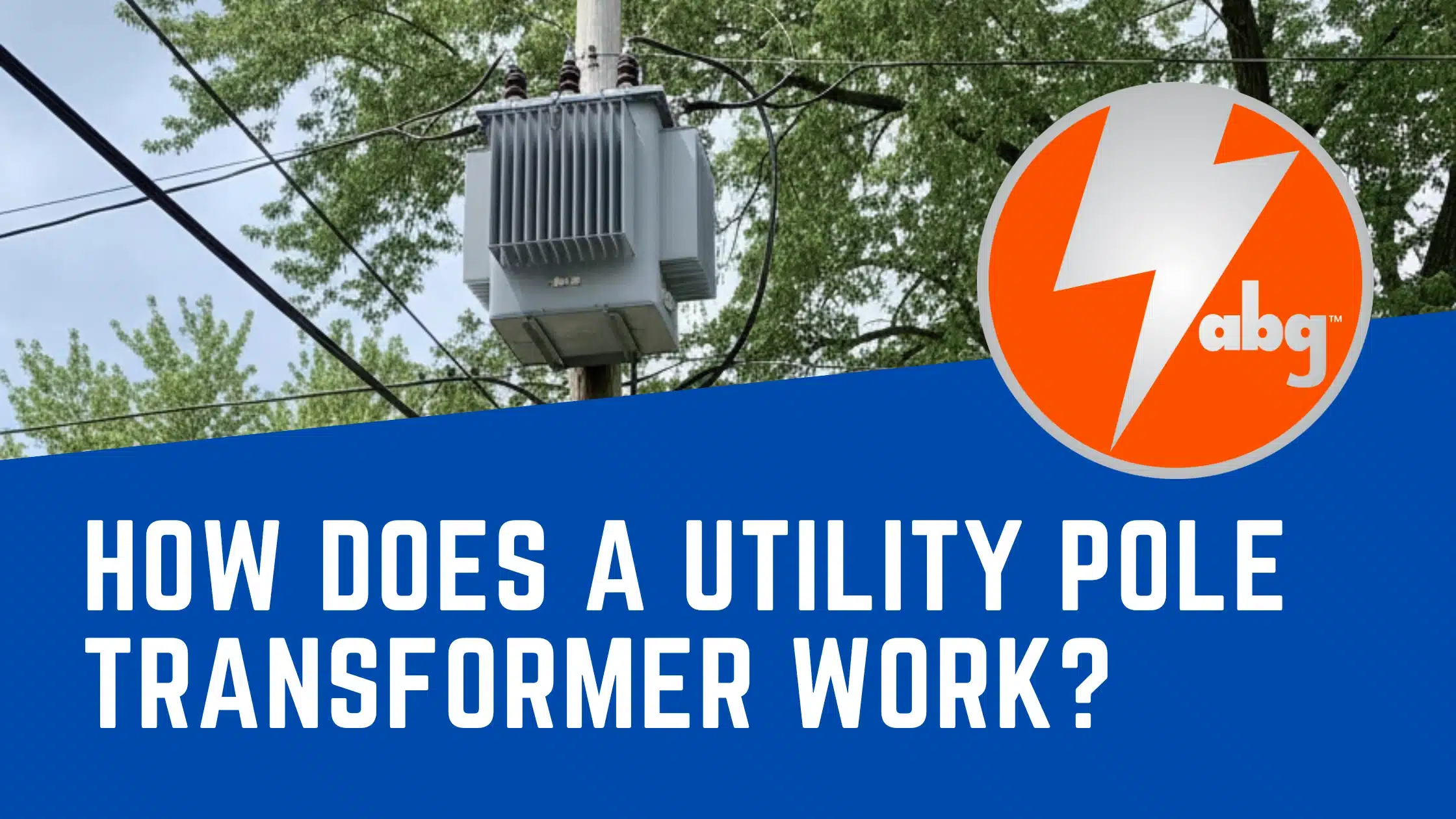
A utility pole transformer, also called a polemount transformer or telephone pole transformer, is typically a step-down transformer. Its primary role is to reduce high-voltage electricity from the distribution network to a voltage suitable for homes and small businesses. For example, electricity may travel along distribution lines at thousands of volts, but a residential electric transformer mounted on a pole converts this power to the standard household service voltage of 120/240 volts.
These transformers are essential components of the local distribution system, serving one or multiple homes depending on demand and network layout. In suburban neighborhoods, a single electric transformer on pole may power several nearby homes, while in rural areas, the same transformer may serve fewer properties spread over a wider area.
How a Utility Transformer Works
All transformers, including electric utility transformers and new utility transformers, operate on the principle of electromagnetic induction. Inside the transformer, two sets of coils, known as windings, are wrapped around a core. Electricity flows into the primary winding, generating a magnetic field that induces a voltage in the secondary winding. This allows the transformer to step voltage up or down depending on the application.
In the case of a power transformer on pole, the process is typically a step-down transformation. High-voltage electricity from the utility distribution lines is converted to a lower, usable voltage that can safely enter homes and small businesses. The transformer operates continuously, adjusting to changes in demand and maintaining stable voltage levels for consistent power delivery.
Key Components of a Pole-Mounted Transformer
Understanding the internal components of a transformer helps illustrate how it functions.
- Core: Usually made from laminated steel, the core guides magnetic flux between the windings and ensures efficient energy transfer.
- Primary Winding: Receives high-voltage electricity from the distribution network.
- Secondary Winding: Delivers lower voltage to residential or commercial circuits.
- Enclosure and Cooling: Outdoor transformers include protective enclosures and oil or air-based cooling systems to manage heat and protect the internal components.
A polemount transformer or telephone pole transformer relies on these components to maintain efficiency, reduce energy loss, and operate safely in outdoor environments.
Residential vs. Utility Applications
While the function of a residential electric transformer is similar to that of larger utility transformers, there are differences in size, capacity, and placement. Residential transformers typically serve smaller loads and are mounted on poles for easy access and minimal ground space usage.
Utility-scale transformers, on the other hand, can be much larger and may be found in substations or along major transmission lines. These new utility transformers are designed with advanced materials and engineering to handle higher voltages, heavier loads, and longer operational lifespans.
The Role of Transport and Handling
Proper utility transformer transport and handling are critical to maintaining performance. These devices are heavy, sensitive, and require specialized equipment to lift, move, and install safely. During transport, transformers must be secured and protected from environmental exposure to prevent damage to internal components or insulating oil.
At ABG Bag, solutions are available to protect pole-mounted transformers, electric transformer on pole units, and other utility equipment during transport, storage, and handling. Using proper transport methods helps prevent mechanical damage, moisture ingress, and other issues that could affect performance.
Learning More About Transformer Systems
For a deeper understanding of transformer types, applications, and best practices, explore Understanding Utility and Power Pole Transformers. This resource provides insight into how different transformers function across residential, commercial, and utility applications.
A utility pole transformer is a small yet essential piece of the electrical distribution system, converting high-voltage electricity from distribution lines to usable power for homes and businesses. Whether it’s a residential electric transformer, a telephone pole transformer, or a larger electric utility transformer, understanding how these devices work is key to safe and efficient electrical distribution. Proper installation, handling, and maintenance, along with careful attention to transport, ensure these transformers operate reliably for decades.
Call 800-758-8079 or contact ABGBAG online.
Do You Have Questions?
For inquiries about our products, order status, or any other information related to ABG Bag Inc., send us a message, and we will respond soon.
Sales & Customer Care
Product Questions