


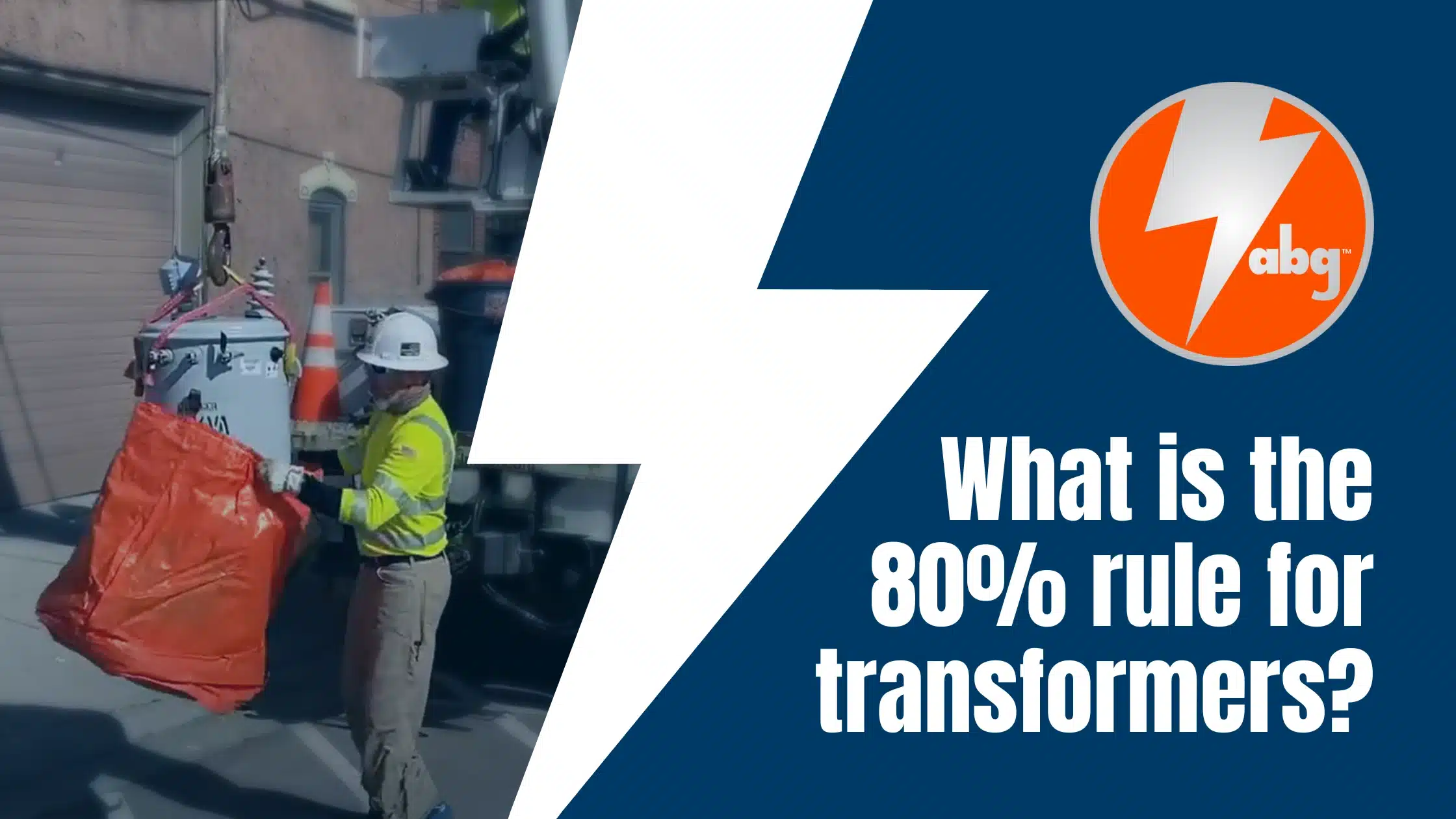
What is the 80% rule for transformers?

Transformers are essential components in the electrical distribution system, responsible for converting high-voltage electricity from power lines to levels safe for homes, businesses, and industrial facilities. From residential electric transformers to large electric utility transformers, proper load management is critical to ensure safety, efficiency, and long service life. One key principle in transformer management is the 80% rule, a guideline widely used by utilities and electrical contractors to prevent overloading and maintain reliable operation.
Understanding the 80% Rule
The 80% rule is a guideline that recommends operating a transformer at no more than 80% of its rated capacity under normal conditions. For example, if a power pole transformer is rated for 50 kVA, it should ideally carry no more than 40 kVA during continuous operation. By following this rule, utilities reduce the risk of overheating, insulation degradation, and premature failure.
The principle applies to all types of transformers, including polemount transformers, telephone pole transformers, residential electric transformers, and large electric utility transformers. It is particularly important for units that operate continuously and deliver power to multiple endpoints, as overloads can occur during peak demand periods.
Why the 80% Rule Matters
- Prevents Overheating: Transformers generate heat when electrical current passes through their windings. Operating a transformer beyond 80% of its rated capacity increases internal temperatures, which can degrade insulation and reduce efficiency. Power transformers on pole and electric transformers on pole benefit from the 80% rule, as it helps maintain safe operating temperatures even during high-demand periods.
- Extends Lifespan: Overloading accelerates wear and tear on transformer components. By adhering to the 80% rule, utilities can extend the operational lifespan of residential electric transformers, polemount transformers, and new utility transformers, minimizing repair costs and reducing the need for early replacement.
- Enhances Safety: Electrical overloads can lead to insulation failure, short circuits, or even fire hazards. Following the 80% rule ensures that electric utility transformers and telephone pole transformers operate within safe limits, protecting both equipment and personnel.
Applying the 80% Rule in Practice
Implementing the 80% rule requires careful monitoring of electrical loads and transformer ratings:
- Load Assessment: Measure current usage and calculate the total demand on the transformer. For residential electric transformers, this may include multiple homes served by a single power pole transformer.
- Capacity Planning: Ensure the transformer’s rated capacity is sufficient to handle expected peak loads. Installing a larger utility transformer may be necessary if demand approaches or exceeds 80% of rated capacity.
- Preventive Monitoring: Use temperature sensors and load meters to detect sustained overloading. Modern new utility transformers often include built-in monitoring systems for real-time load management.
Additional Considerations
While the 80% rule is a helpful guideline, other factors influence transformer performance:
- Environmental Conditions: Heat, moisture, and exposure to weather can affect transformer efficiency. Proper utility transformer transport, installation, and protective enclosures are important for maintaining optimal operation.
- Continuous vs. Intermittent Load: Some transformers experience short-term spikes that exceed 80% capacity without long-term damage. However, sustained overloads should always be avoided.
- Maintenance and Inspection: Routine inspection ensures that power pole transformers, polemount transformers, and electric transformers on pole remain in good condition, with insulation and cooling systems functioning properly.
Benefits of Following the 80% Rule
Adhering to the 80% rule provides numerous advantages:
- Reduced risk of transformer overheating and failure
- Longer operational life for electric utility transformers and residential electric transformers
- Improved reliability and consistency in electricity delivery
- Enhanced safety for utility personnel and end-users
By planning transformer capacity and monitoring load conditions, utilities can optimize performance and avoid costly downtime.
The 80% rule is a fundamental guideline for transformer operation, recommending that units be loaded to no more than 80% of their rated capacity under normal conditions. Whether managing power pole transformers, telephone pole transformers, residential electric transformers, or new utility transformers, following this principle reduces the risk of overheating, prolongs service life, and improves safety.
Proper utility transformer transport, installation, and routine maintenance are essential to complement this practice, ensuring reliable and efficient electricity delivery. For more information about transformer types and best practices, visit Understanding Utility and Power Pole Transformers.
Call 800-758-8079 or contact ABGBAG online.
Do You Have Questions?
For inquiries about our products, order status, or any other information related to ABG Bag Inc., send us a message, and we will respond soon.
Sales & Customer Care
Product Questions