



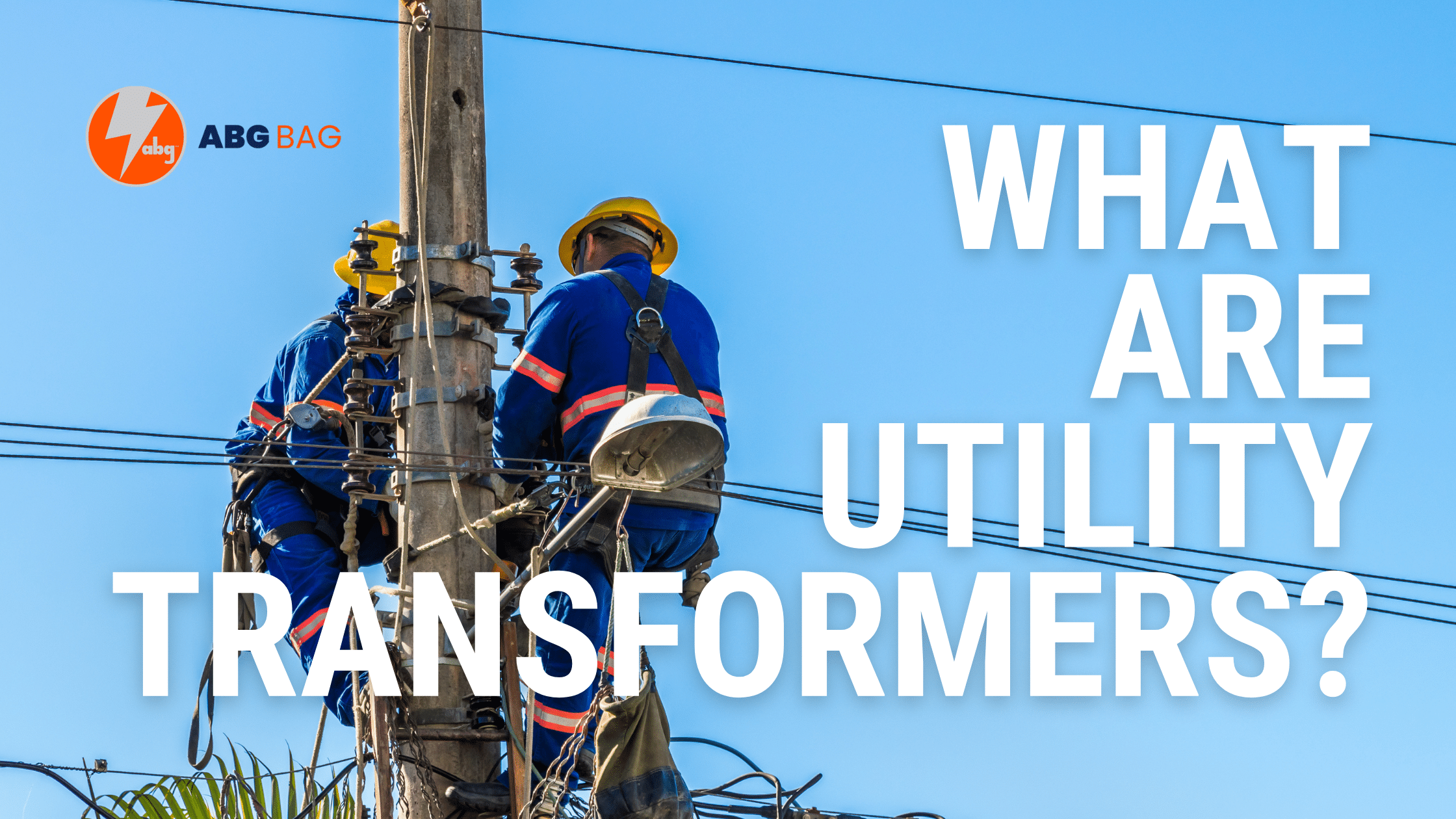
What are utility transformers?

Electricity is generated at power plants at relatively low voltages and must travel long distances to reach homes, businesses, and industrial facilities. To make this possible, electricity passes through a series of voltage conversions using specialized equipment called transformers. Among these, utility transformers are critical components of the electrical distribution system. They regulate voltage, improve efficiency, and ensure safe delivery of power to end users.
Definition and Function of Utility Transformers
A utility transformer is a transformer owned and operated by electric utilities or infrastructure providers. Its primary purpose is to support the transmission and distribution of electricity across service areas of varying sizes. These transformers adjust voltage levels to ensure electricity can travel efficiently from substations to neighborhoods and commercial areas.
Utility transformers come in different forms depending on their location and application. For example, a power pole transformer, polemount transformer, or telephone pole transformer is used in residential areas to step down high-voltage electricity to levels suitable for household use. Larger electric utility transformers may be installed at substations to manage higher voltage transmission or distribution across a region.
Types of Utility Transformers
Utility transformers can be categorized based on installation type and function:
- Pole-Mounted Transformers
These transformers are commonly found in residential neighborhoods and small commercial areas. A residential electric transformer mounted on a utility pole reduces high-voltage electricity from distribution lines to standard household voltage, typically 120/240 volts. These units are compact, weather-resistant, and designed for continuous outdoor operation. - Pad-Mounted Transformers
Pad-mounted transformers are ground-level units often used in areas with underground distribution networks. They perform the same voltage reduction as pole-mounted units but are installed on concrete pads for accessibility and safety. - Substation Transformers
Larger electric utility transformers in substations handle high-voltage transmission and distribution. They step voltage up or down as needed to ensure efficient long-distance transport and reliable delivery to local distribution networks. - New Utility Transformers
Modern new utility transformers incorporate advanced materials and engineering designs to improve efficiency, reduce energy loss, and extend operational lifespan. They are designed to meet stricter environmental standards and accommodate varying load demands more effectively than older models.
How Utility Transformers Work
All electric transformers on pole, whether pole-mounted, pad-mounted, or substation-level, operate on the principle of electromagnetic induction. Inside, a transformer contains a primary winding, a secondary winding, and a core. Electricity flows into the primary winding, creating a magnetic field that induces a voltage in the secondary winding. This process allows the transformer to either step up or step down the voltage depending on the application.
For power transformers on pole, the typical function is stepping down voltage to deliver safe electricity to residential or small commercial customers. Proper operation ensures that appliances and electrical systems receive consistent voltage, protecting them from damage caused by fluctuations or overloads.
Importance of Transport and Handling
Proper utility transformer transport is critical to maintaining the integrity of these devices. Transformers are heavy and contain sensitive internal components and insulating materials. Mishandling during transport can result in mechanical damage, insulation degradation, or leaks in oil-filled transformers.
ABG Bag offers solutions designed to protect electric transformer on pole, power pole transformers, and other utility equipment during transport, storage, and handling. Using specialized lifting equipment, secure packaging, and protective covers helps maintain transformer performance and ensures safe installation.
Applications of Utility Transformers
Utility transformers serve a variety of applications:
- Residential Areas: Pole-mounted transformers supply multiple homes with safe, usable electricity.
- Commercial and Light Industrial Areas: Larger pole or pad-mounted units provide power to small businesses or light industrial facilities.
- Substations: High-capacity transformers regulate voltage for regional transmission and distribution networks.
In all these applications, proper design, handling, and maintenance are essential to ensure reliable performance and long-term service life.
Maintenance and Longevity
Routine inspection and preventive maintenance extend the lifespan of utility transformers. Outdoor units, such as polemount transformers and telephone pole transformers, must be checked for insulation integrity, oil quality (if applicable), and physical damage. Modern new utility transformers are designed for long-term operation with minimal maintenance but still benefit from regular monitoring to prevent unexpected failures.
Utility transformers are the backbone of the electrical distribution system, ensuring electricity moves efficiently from generation points to homes, businesses, and commercial facilities. From residential electric transformers and polemount transformers to larger electric utility transformers in substations, these devices provide voltage regulation, safety, and reliability. Proper utility transformer transport, handling, installation, and maintenance are essential for optimal performance.
For more information on transformer types and applications, explore Types of Residential and Utility Transformers and Understanding Utility and Power Pole Transformers.
Call 800-758-8079 or contact ABGBAG online.
Do You Have Questions?
For inquiries about our products, order status, or any other information related to ABG Bag Inc., send us a message, and we will respond soon.
Sales & Customer Care
Product Questions