


What type of transformer is used in residential areas?

Electricity is a fundamental part of daily life, powering homes, appliances, and essential services. However, the high-voltage electricity transmitted from power plants cannot be used directly in residential areas. To make this electricity safe and usable, utilities rely on specialized equipment known as transformers. Understanding which type of transformer is used in residential areas is essential for utility professionals, contractors, and anyone involved in electrical infrastructure.
The Role of Residential Transformers
A residential electric transformer is specifically designed to reduce high-voltage electricity from the distribution network to voltages suitable for home use, typically 120/240 volts. This voltage reduction is essential for safety, efficiency, and reliable operation of household electrical systems.
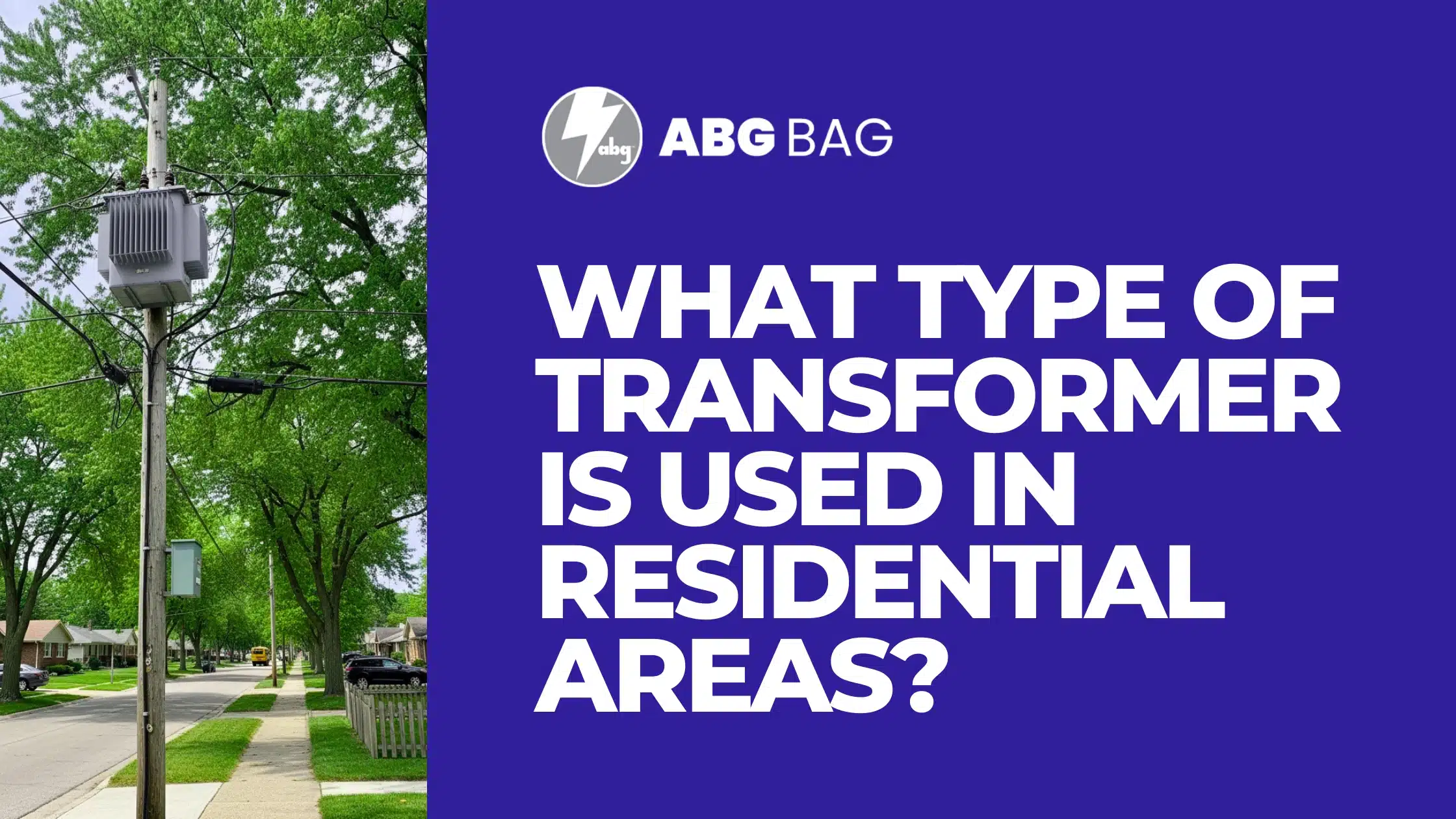
Most residential transformers are installed on utility poles as power pole transformers, polemount transformers, or telephone pole transformers. These units serve as the final step in the distribution process, taking electricity from the regional distribution lines and stepping it down for safe use in homes. In some cases, a single transformer may serve multiple homes, particularly in suburban or rural areas.
How Residential Transformers Work
The operation of a power transformer on pole is based on the principle of electromagnetic induction. Inside the transformer, two sets of windings, the primary and secondary, are wrapped around a steel core. Electricity flows into the primary winding at high voltage, creating a magnetic field that induces a voltage in the secondary winding. This allows the transformer to step down electricity to the correct voltage for residential use.
A residential electric transformer operates continuously, responding to fluctuations in household electrical demand. Modern new utility transformers are engineered for efficiency, reliability, and durability, providing consistent voltage to prevent damage to electrical appliances and home systems.
Common Types of Residential Transformers
- Pole-Mounted Transformers
The most common type of transformer in residential areas is the polemount transformer. Mounted on utility poles, these units are compact, easy to install, and serve multiple homes in a neighborhood. They are designed for outdoor use, with protective enclosures to withstand weather, debris, and environmental factors. - Pad-Mounted Transformers
In some residential areas, particularly those with underground utility lines, pad-mounted transformers are installed at ground level. While less common than pole-mounted units, they serve the same purpose of stepping down voltage to household levels. - Telephone Pole Transformers
Smaller neighborhoods may use telephone pole transformers, a subset of pole-mounted transformers that handle lower loads for fewer homes. These units are also designed to provide reliable service while minimizing visual impact in residential streets. - Electric Transformer on Pole
The general category of electric transformer on pole includes all pole-mounted units designed for residential service. Their size, capacity, and load rating vary depending on neighborhood density and expected electrical demand.
Importance of Proper Handling and Transport
Proper utility transformer transport is critical to ensure these units arrive at their installation sites safely and undamaged. Transformers contain delicate internal components, insulating oil, and protective enclosures that can be compromised if dropped, shifted, or exposed to moisture. Using appropriate lifting equipment, secure transport methods, and protective packaging helps maintain performance and reliability.
ABG Bag provides solutions designed to protect power pole transformers, residential electric transformers, and other utility equipment during transport and handling. These solutions help prevent mechanical damage, contamination, and environmental exposure, ensuring the transformer performs optimally once installed.
Key Features of Residential Transformers
Residential transformers are engineered with features to ensure safety and longevity:
- Compact design for pole or pad mounting
- Continuous operation with minimal maintenance
- Built-in protection for overloads or short circuits
- Durable enclosures to withstand outdoor conditions
Because these transformers operate close to homes, reliability and safety are critical. Regular inspection, preventive maintenance, and careful handling during transport all contribute to long service life and consistent power delivery.
In residential areas, the primary transformer used is a residential electric transformer, often installed as a polemount transformer, telephone pole transformer, or other electric transformer on pole units. These transformers reduce high-voltage electricity to safe, usable levels for homes and small businesses. Proper installation, maintenance, and handling during utility transformer transport are essential to ensure performance, safety, and longevity.
For more information about residential and utility transformers, explore Types of Residential and Utility Transformers and Understanding Utility and Power Pole Transformers.
Call 800-758-8079 or contact ABGBAG online.
Do You Have Questions?
For inquiries about our products, order status, or any other information related to ABG Bag Inc., send us a message, and we will respond soon.
Sales & Customer Care
Product Questions